Vintage Typographic Design for Mental
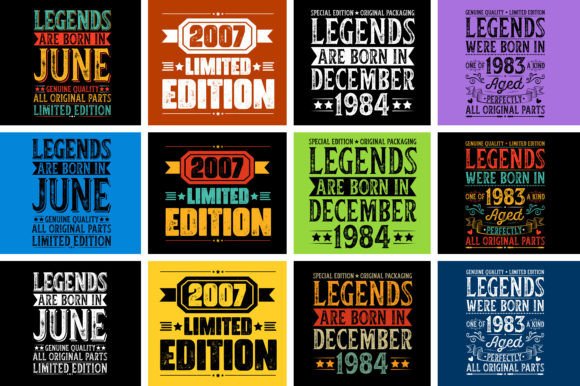
There’s a powerful resonance in the visual language of the past, especially when it’s used to communicate something as vital as mental health awareness. Vintage typographic design offers a unique bridge between nostalgic comfort and contemporary relevance, creating an immediate emotional connection that modern, sterile fonts often miss. This design approach leverages the warmth and character of historical letterforms to frame sensitive topics with authenticity and approachability.
The Strategic Value in Modern Design
In a digital landscape saturated with uniform sans-serifs, vintage typography stands out by offering texture, personality, and a sense of permanence. For designers and creators, it’s not merely an aesthetic choice but a strategic tool for visual communication. When applied to themes like mental wellness, it can soften stigma, evoke empathy, and craft a brand identity that feels both trustworthy and deeply human. This style excels at creating visual hierarchy, guiding the viewer’s eye through a composition with distinct headlines, subheads, and body copy that each carry their own historical weight.
Practical Applications and Creative Workflows
The utility of a well-crafted vintage typographic design package extends far beyond a single project. Its versatility makes it a valuable addition to any creative’s asset library. Consider these practical applications:
- Brand Identity & Logo Design: Establish a distinct voice for wellness brands, counseling services, or community initiatives.
- Marketing Materials: Create compelling posters, flyers, and brochures for awareness campaigns or workshops.
- Social Media Content: Generate high-engagement graphics for Instagram stories, Facebook posts, and Pinterest pins that stop the scroll.
- Website & UI Elements: Use for impactful hero sections, quotes, or button text to enhance user experience with a touch of warmth.
- Editorial & Packaging Design: Design captivating book covers, magazine layouts, or product packaging that tells a story.
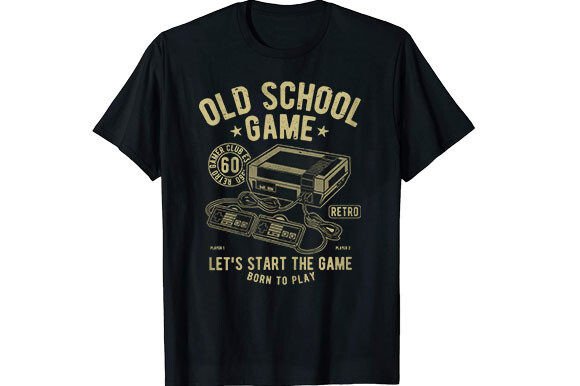
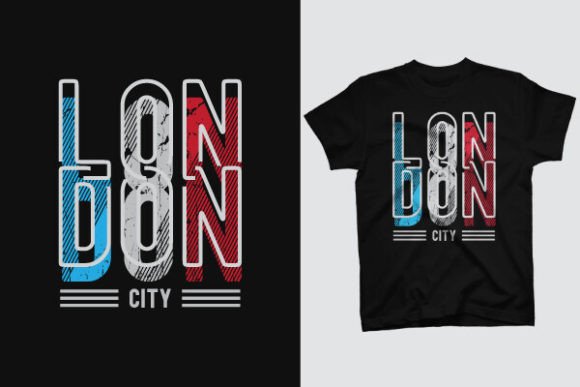
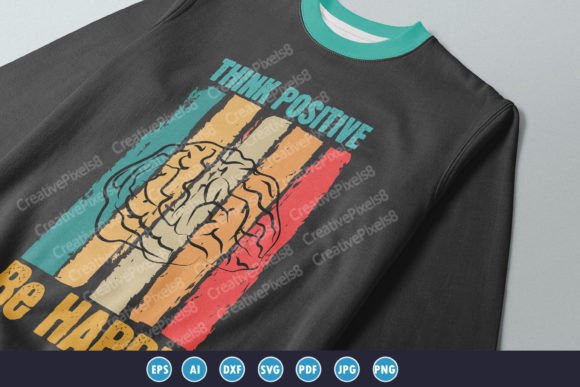
- Merchandise & Printables: Apply to T-shirts, mugs, greeting cards, and wall art for a tangible, personal connection.
Effective use begins with selecting the right asset. Evaluate designs for consistency in style, ensuring the vintage elements align with your project’s tone—whether it’s distressed, elegant, or hand-drawn. Always test readability at various scales, as intricate details may be lost in small print or from a distance. A robust file package, including formats like SVG for scalability, AI for full editability, and PNG for transparent backgrounds, is essential for a seamless design workflow.
Integrating Elements for Cohesive Results
The true impact emerges when vintage typography is thoughtfully integrated with other design elements. A complementary color palette—think muted pastels, earthy tones, or classic sepia—can amplify the nostalgic feel without compromising modern clarity. Pair it with subtle textures, simple line illustrations, or high-quality photography to build a complete visual narrative. This holistic approach ensures the design serves its communicative purpose first, making the message of mental health awareness both beautiful and profoundly clear.
Ultimately, choosing a vintage typographic style is a deliberate decision to add depth and humanity to your work. Quality creative assets do more than decorate; they enhance communication, build emotional bridges, and elevate the professional standard of any project. By leveraging thoughtfully designed resources, you empower your visual storytelling to make a more meaningful and lasting impression.